Their names are Ahew, Ahok, Adut, Acho, Akut — and thousands of others like them carry such a heavy burden of pregnancy. In Aweil, in Northern Bahr el Ghazal, northern South Sudan, that burden is particularly heavy.
A birth that changes everything
September 12, 2025, is a day Ahew will never forget. On that day, the 32-year-old mother from Warkuac village, in Aweil North County, gave birth to a healthy baby girl at the ALIMA-supported Maper Health Center.
This was no ordinary delivery: for the first time in her life, Ahew gave birth without major medical intervention. Her four previous children had all been delivered through manual vacuum aspiration (MVA) at Aweil Hospital, following repeated complications. “I never thought I could give birth naturally,” she told Jackson, ALIMA’s Nurse Activity Coordinator in Aweil.
For each of her first four children, when she felt the first contractions, Ahew and her husband walked more than two hours to reach the only functional health facility for dozens of kilometers — Aweil Hospital, supported by MSF-France. A full-term woman, walking for hours to reach care.
On September 12, they thought they would repeat the journey once again. But they had heard that a maternity ward had just opened at the Maper Primary Health Care Center (PHCC), a few kilometers away. ALIMA, in partnership with MSF-France, had just completed renovations and supplied the center with essential equipment. Everything was ready.
Against her husband’s initial opinion, Ahew insisted: “I want to give birth at Maper.”
Four hours after being admitted, thanks to the attentive care of Elizabeth, the midwife on duty at Maper, Ahew gave birth naturally, without any external intervention. Overwhelmed with emotion, the parents decided to name their daughter Alima, in tribute to the team that made this moment possible.
“ALIMA restored our confidence. My daughter carries this name so that we never forget this day.”

When quality care finally reaches women
In September 2025, ALIMA teams and local health workers reopened two Primary Health Centers with maternity services. They were closed for months before ALIMA rehabilitated them, leaving thousands of women without nearby care. A situation that costs lives every year, especially during the rainy season (July – November).
Dr. Molong, Director General for Ministry of Health in Northern Bahr el Ghazal State, explains: “We have experienced several pregnant mothers losing their lives because of (poor) road connectivity, poor health infrastructure, gaps in health programming, and mothers who should not die, do lose their lives because of the overall health situation in the country and in the state as well.”
To ensure high quality of care, local midwives benefited from training to handle uncomplicated deliveries, recognize complications early, and organize transfers to Aweil Hospital for complex cases.
From September to November, more than 700 women like Ahew delivered normally in the two PHCC supported by ALIMA, assisted by qualified staff.
ALIMA does not stop at childbirth: the entire maternal and neonatal care continuum is provided, including prenatal care, postnatal care for mothers and newborns (vaccinations, breastfeeding support, infection prevention and control), and community outreach through village health workers to encourage women to deliver at health facilities. In two months, over 3,000 women benefited from antenatal care.


When mothers arrive at the Primary Health Care Center (PHCC), they are first registered, before different tests are carried out — blood sugar, anemia, HIV, malaria, and others. Afterward, they meet with a midwife for consultation and receive any prescribed medication. Maper PHCC, Aweil, Northern Bahr el Ghazal, South Sudan. October 2025 © ALIMA.

An alarmingly challenging context
South Sudan is one of the countries where giving birth is the most risky in the world. According to the World Health Organization, the country records over 1,150 maternal deaths per 100,000 live births, among the highest rates globally. The main causes — hemorrhage, infection, eclampsia — are all preventable when quality obstetric care is accessible.
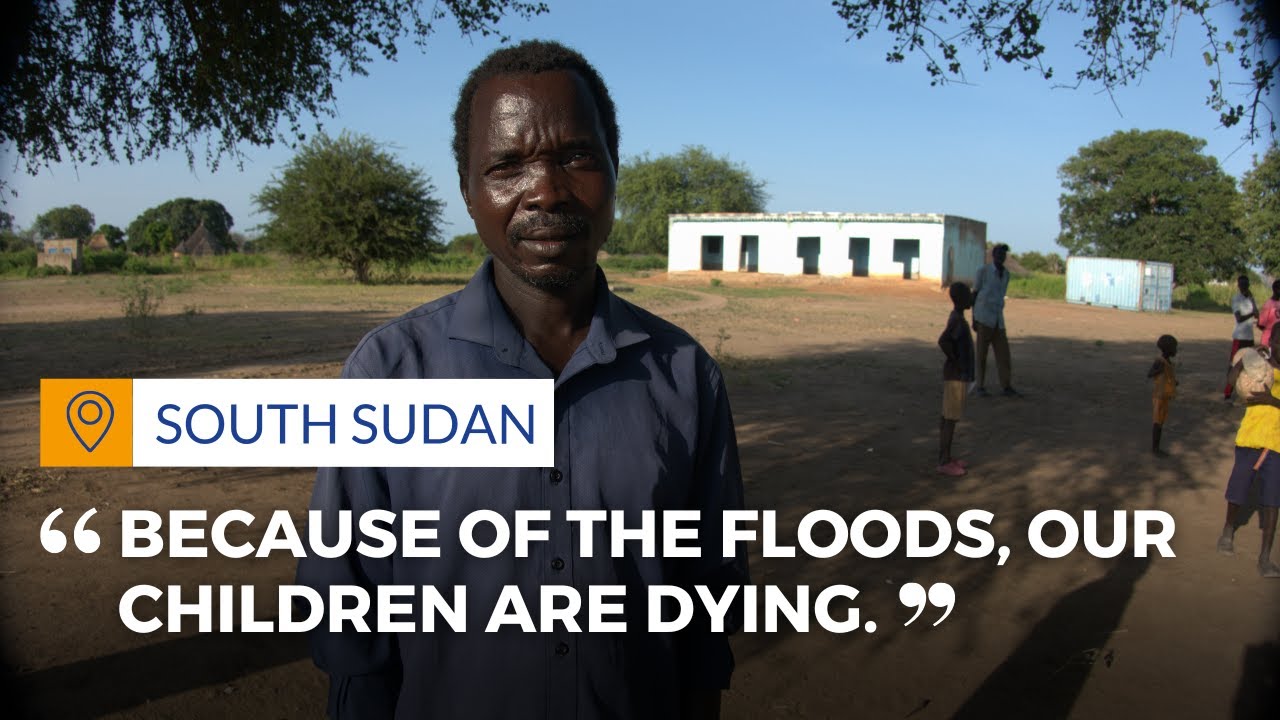
In Northern Bahr el Ghazal, recurrent floods worsen the situation: roads are cut off, food insecurity rises due to crop loss, and malnutrition affects pregnant and breastfeeding women. In this context, every successful birth without complications is a collective victory.
“We want every mother to experience what I went through,” said Ahew, holding baby Alima Garang, the first newborn registered at the center under the ALIMA BEmONC program.
Today, demand far exceeds current capacity.
Dr. Bing, ALIMA’s Medical Coordinator in South Sudan explains: “At the moment, we are working very hard to manage the situation. But too many women and children arrive in our arms already extremely ill. They often receive care too late. For example, we believe that community strengthening initiatives involving health workers, such as traditional birth attendants, will ensure local monitoring of pregnant women and encourage safe deliveries in ALIMA-supported maternity wards. There are some basic needs that require international donors’ support.” Without sustainable funding, vital and free services offered by ALIMA may not be able to continue.