Malaria
Malaria is an infectious disease, preventable and treatable, but remains one of the leading causes of child mortality in Africa. It is caused by a parasite of the genus Plasmodium, transmitted by the bite of a female Anopheles mosquito.
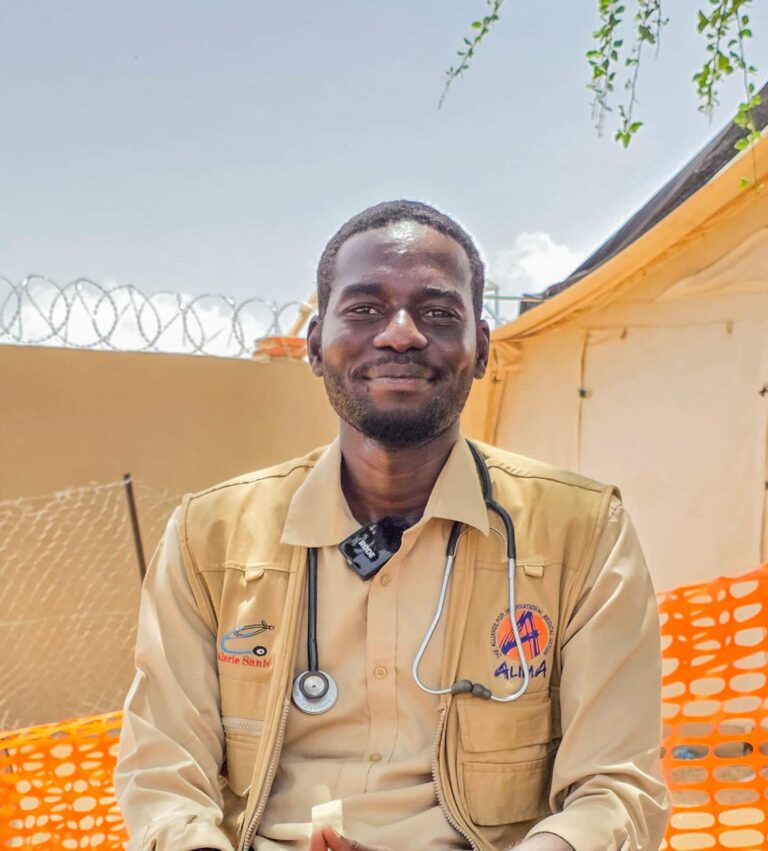
ALIMA (The Alliance for International Medical Action) is committed to preventing, diagnosing, and treating this disease, which mainly affects children under five.
What is malaria?
Malaria is caused by a parasite transmitted to humans through the bites of infected mosquitoes. The disease occurs mainly during the rainy season, when mosquitoes proliferate.
An alarming impact in Africa
- Over 250 million malaria cases worldwide each year (WHO)
Take action
Support the fight against malaria
Your help saves lives and strengthens efforts to prevent this deadly disease.
How is ALIMA fighting malaria?
Since 2009, ALIMA has been working with Ministries of Health and other partners to develop malaria prevention, screening, and treatment strategies.
A major challenge in sub-Saharan Africa
Malaria accounts for 60% to 70% of morbidities in intervention areas, particularly during the rainy season.
ALIMA’s actions:
- Strengthening health infrastructures for better care
- Deploying mobile clinics to reach remote areas
- Distributing rapid tests for early diagnosis
- Providing medicines and equipment
What we do to fight malaria
1. Prevention and screening
- Seasonal chemoprophylaxis: administering preventive medications to children at risk
- Support for immunization campaigns
- Distribution of impregnated mosquito nets to limit transmission
- Rapid diagnostic tests (RDTs) to quickly identify cases
2. Malaria treatment
- Support for hospitals and health centers (medicines, equipment, staff training)
- Effective antimalarial administration, as soon as diagnosis is confirmed
- Management of severe cases with hospitalization and reinforced follow-up
- Support for blood transfusion activities (training, equipment and consumables, etc.)
- Epidemiological surveillance to predict epidemics
ALIMA’s ground action: vital interventions
Mobile clinics and support for local healthcare structures
ALIMA deploys mobile clinics to reach the most vulnerable populations in countries such as:
These mobile units provide quick access to healthcare, particularly for children and pregnant women.
On the ground
Related news
ALIMA Calls on the International Community to Increase Mobilization to Ensure More Effective Control of the Ebola Outbreak
Yesterday, Thursday, May 21, 2026, two tents deployed by ALIMA (The Alliance for International Medical Action) for the treatment of patients affected by Ebola Virus

Incident at Health Facilities in Rwampara Amid the Ebola Outbreak Response
On the morning of 21 May 2026, two tents used to treat patients with Ebola were set on fire at Rwampara Hospital. Six patients were
Ebola outbreak in the DRC: ALIMA deploys a response to the Bundibugyo variant
A new Ebola outbreak was declared on May 15, 2026, in northeastern Democratic Republic of the Congo. The outbreak involves the Bundibugyo variant,for which no