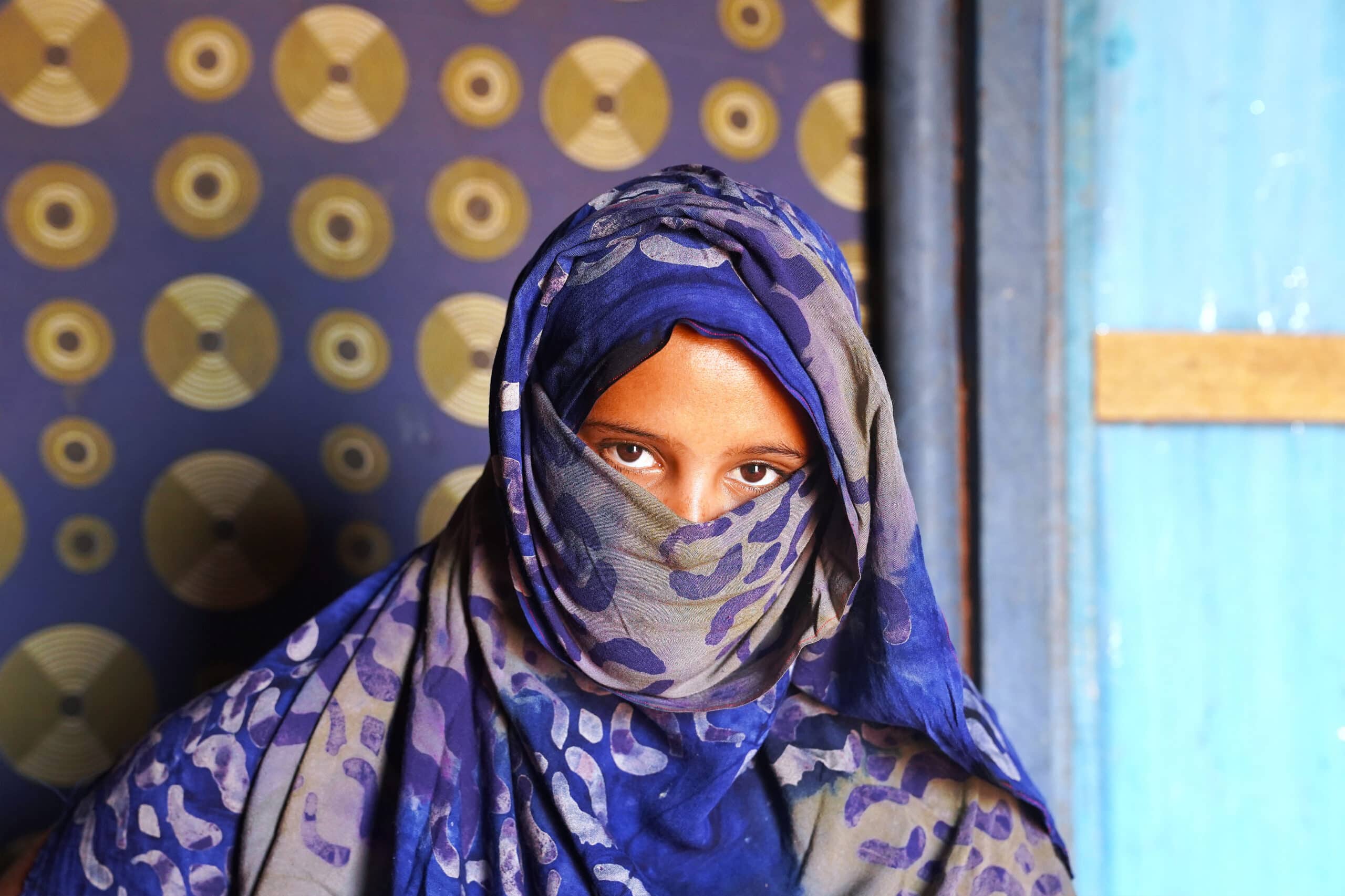
“Kharsouna” means “See us” in Hassanya, a language spoken across Mali and Mauritania. The words are both a title and an appeal.
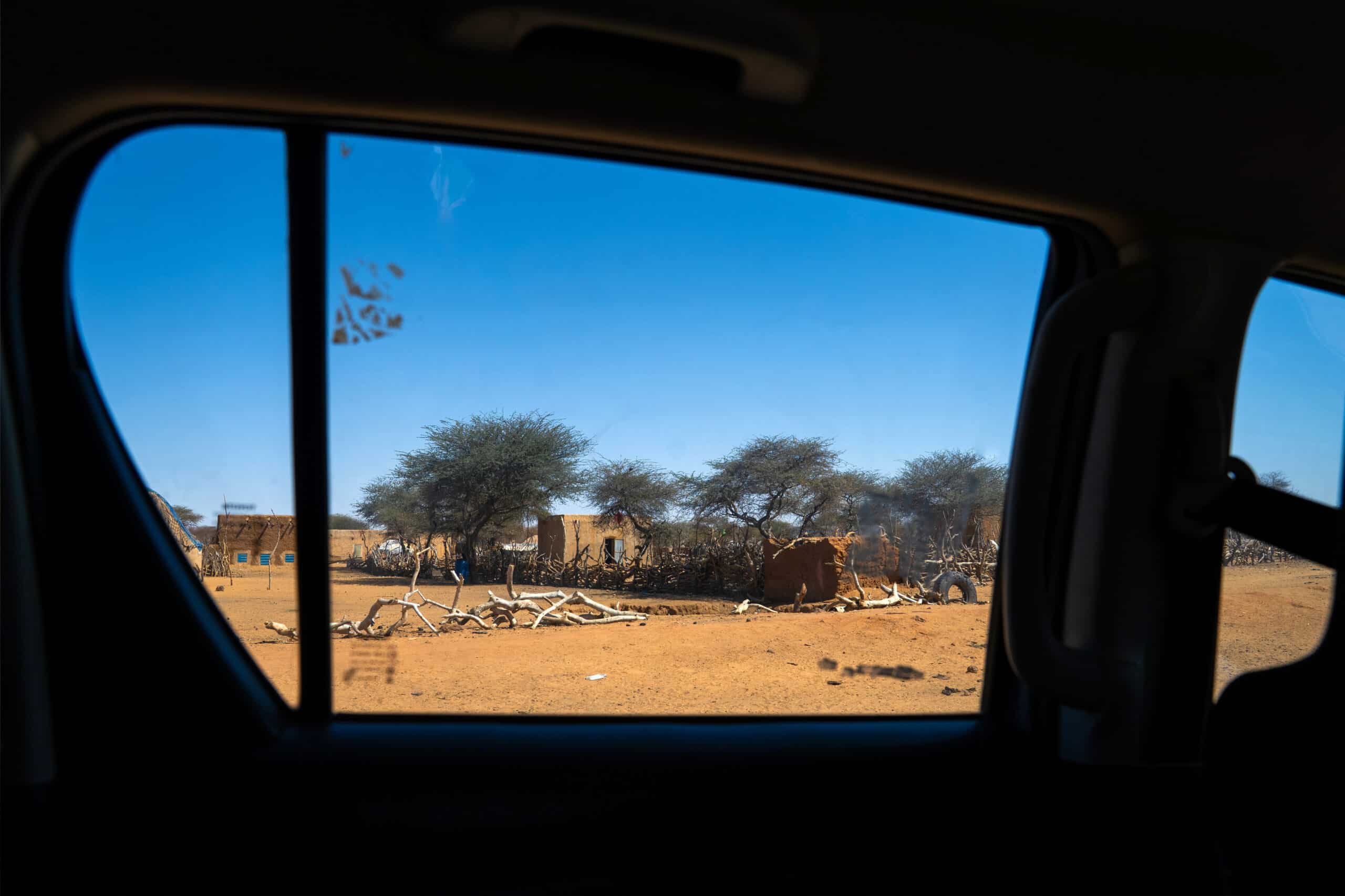
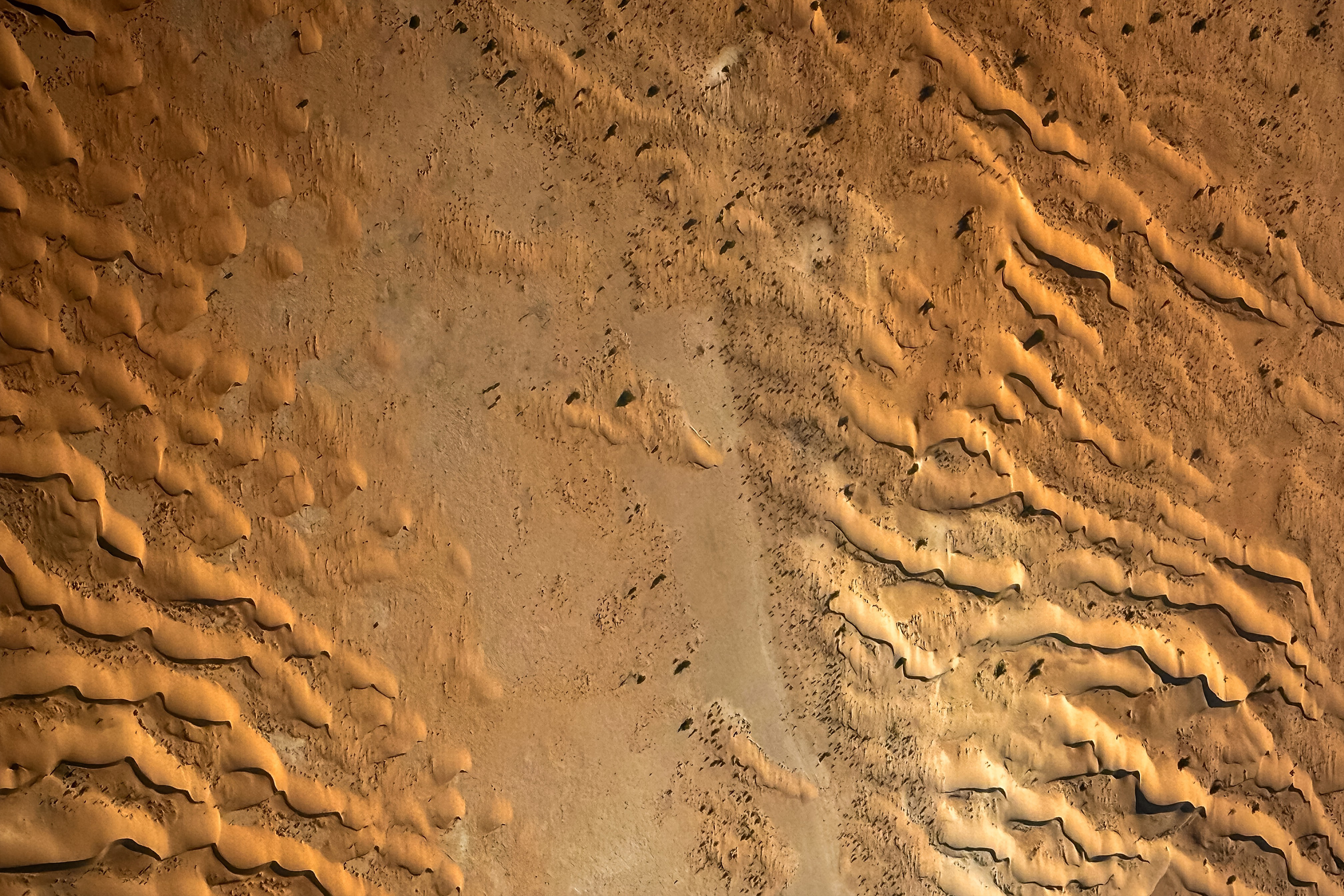
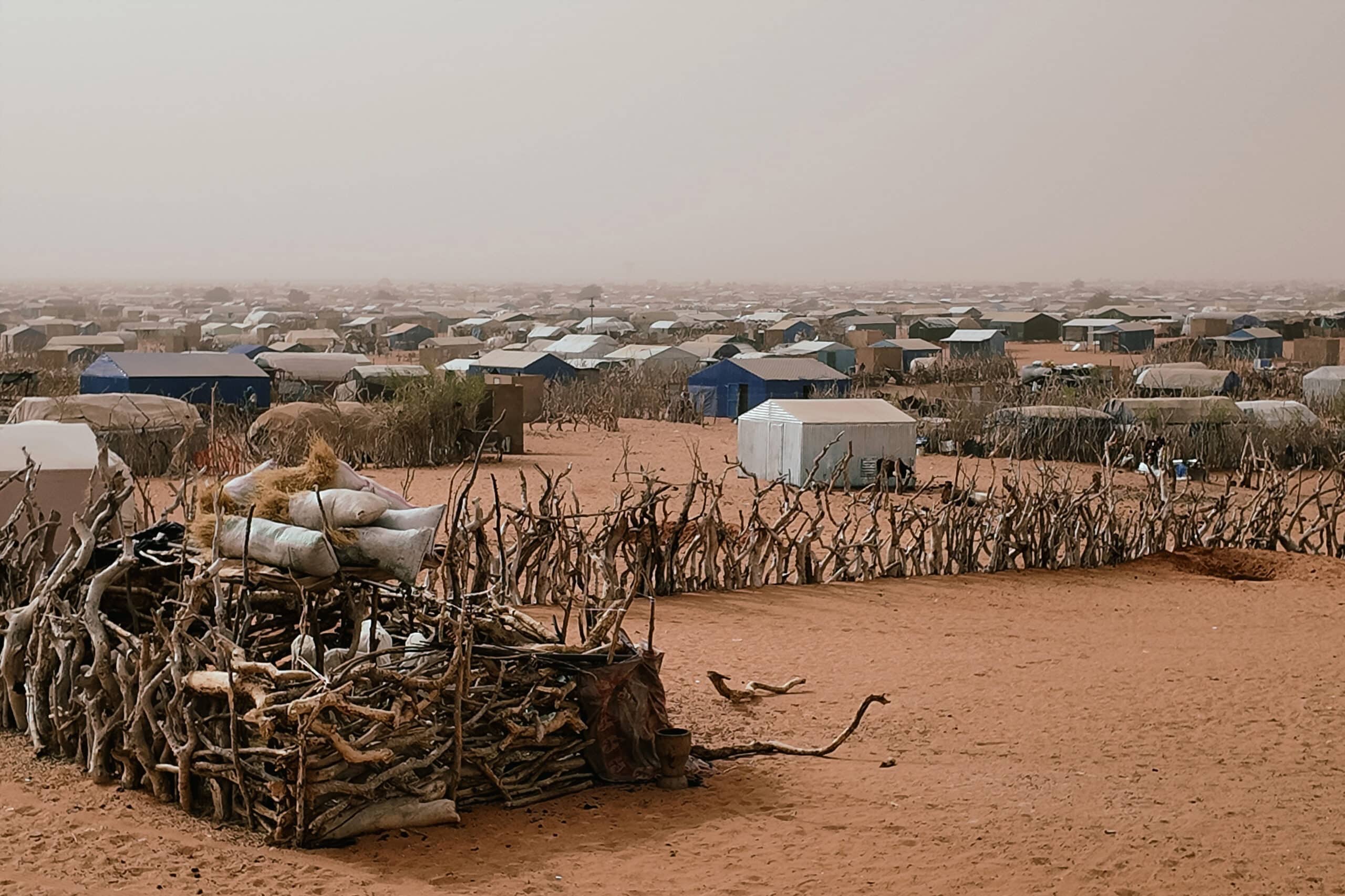
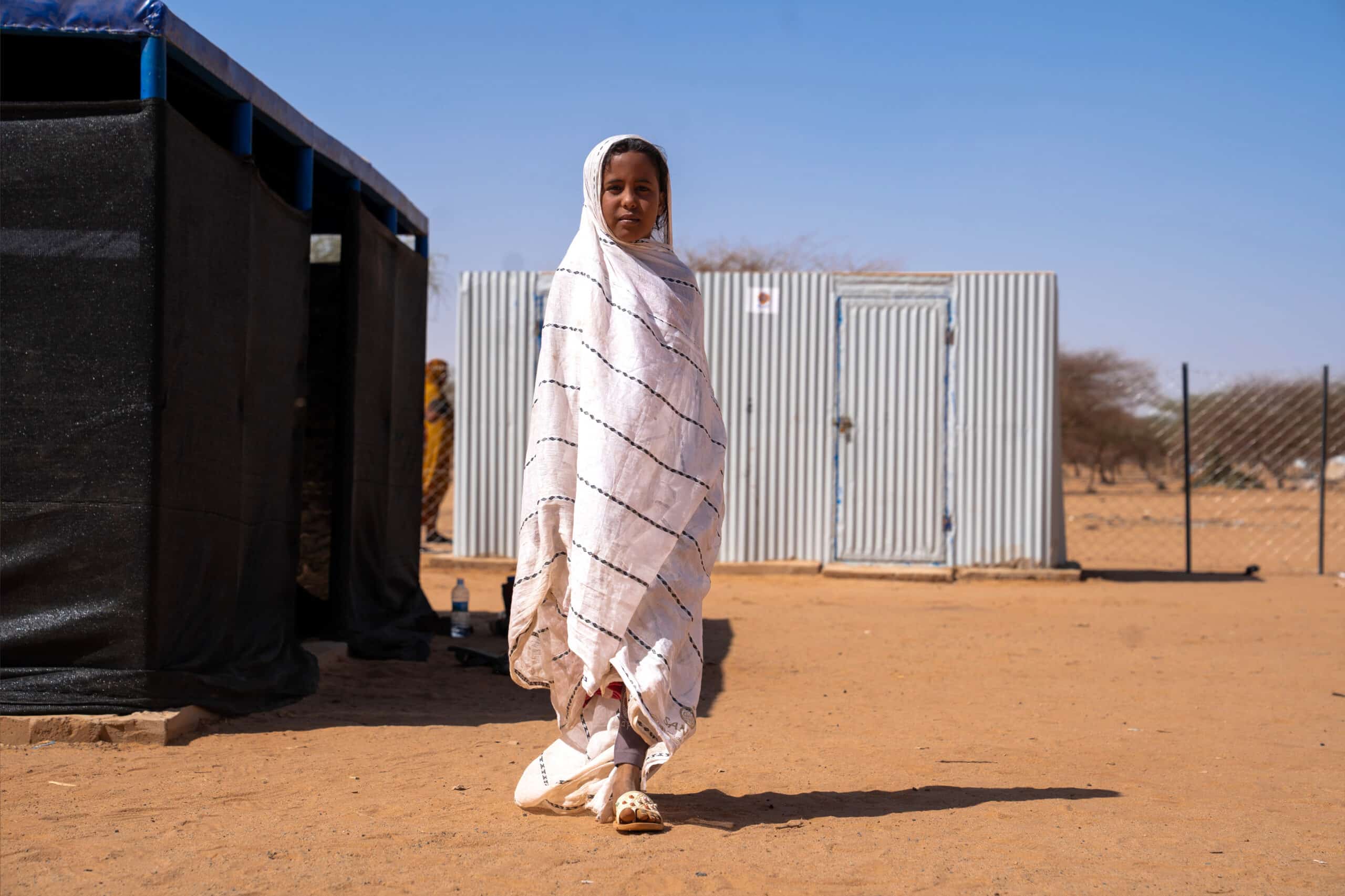
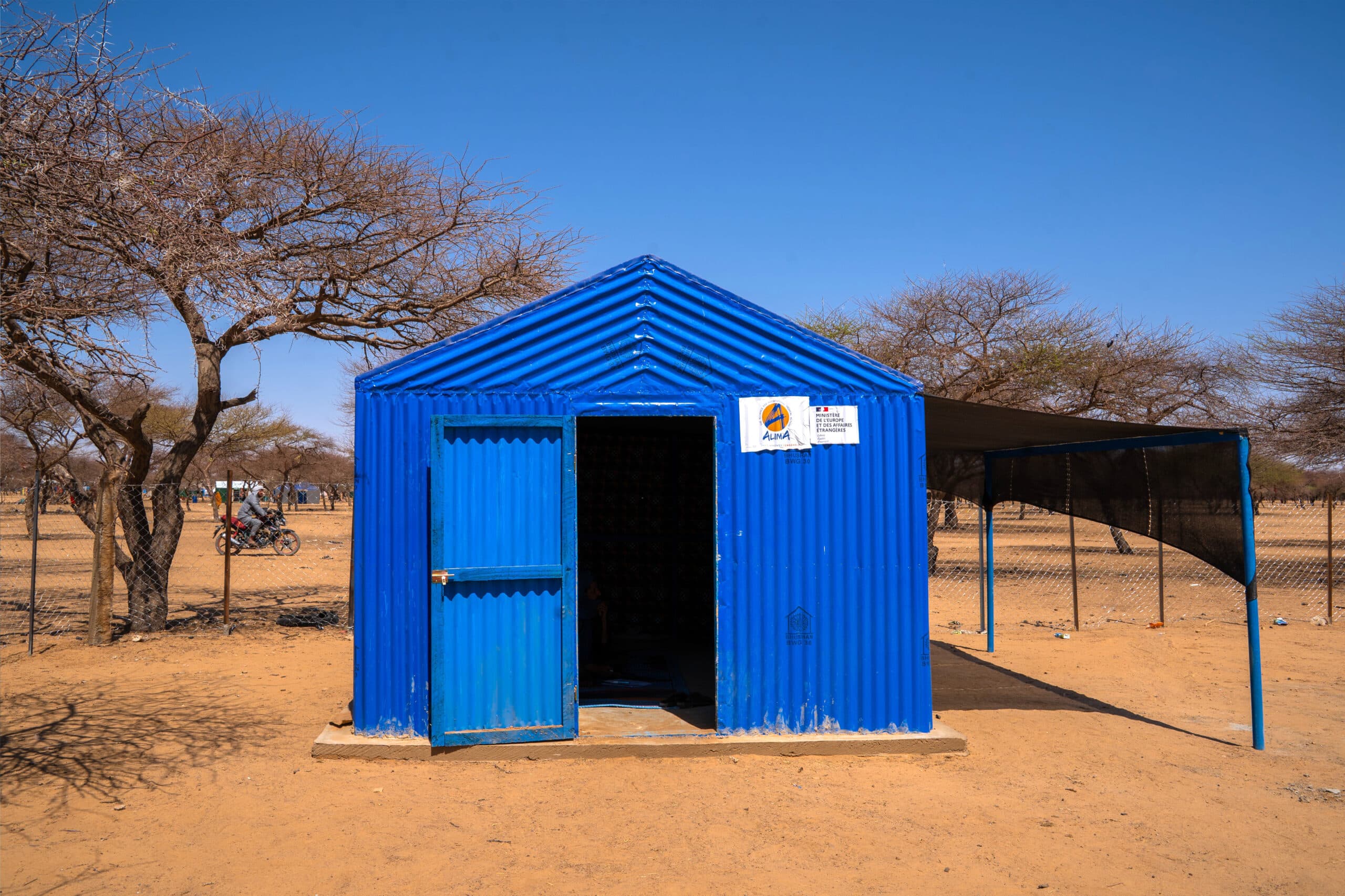
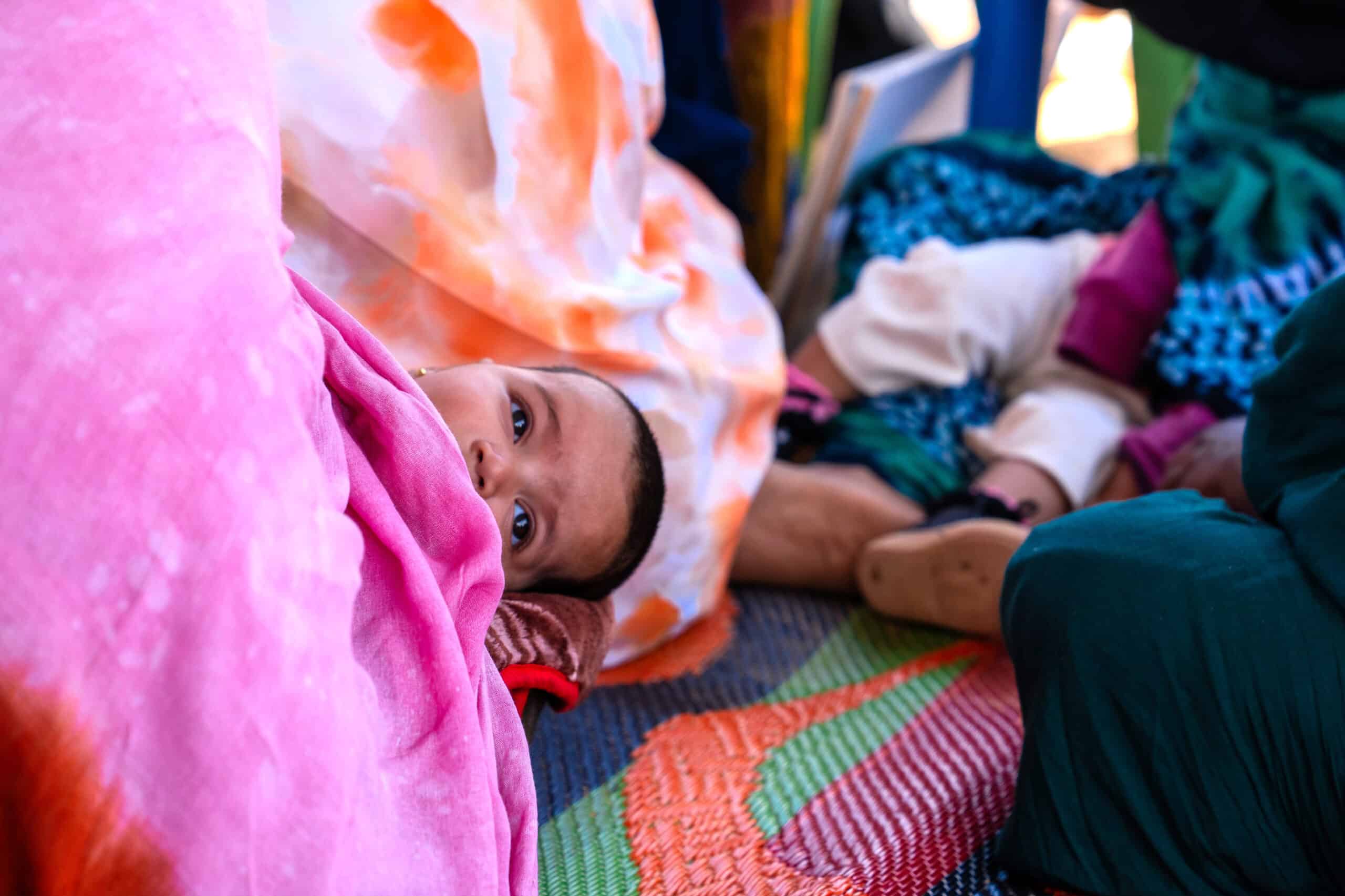
For nearly 15 years, southeastern Mauritania has been absorbing one of the region’s most overlooked humanitarian crises. Hundreds of thousands of people have fled violence in Mali, crossing into the Hodh El Chargui region, one of the poorest parts of the country, in search of safety. Today, more than 380,000 refugees live in Mauritania, the majority of them children. The Mbera camp has long exceeded its capacity, and a growing proportion of refugees now live outside it, in isolated villages where access to healthcare, water, and food is limited.
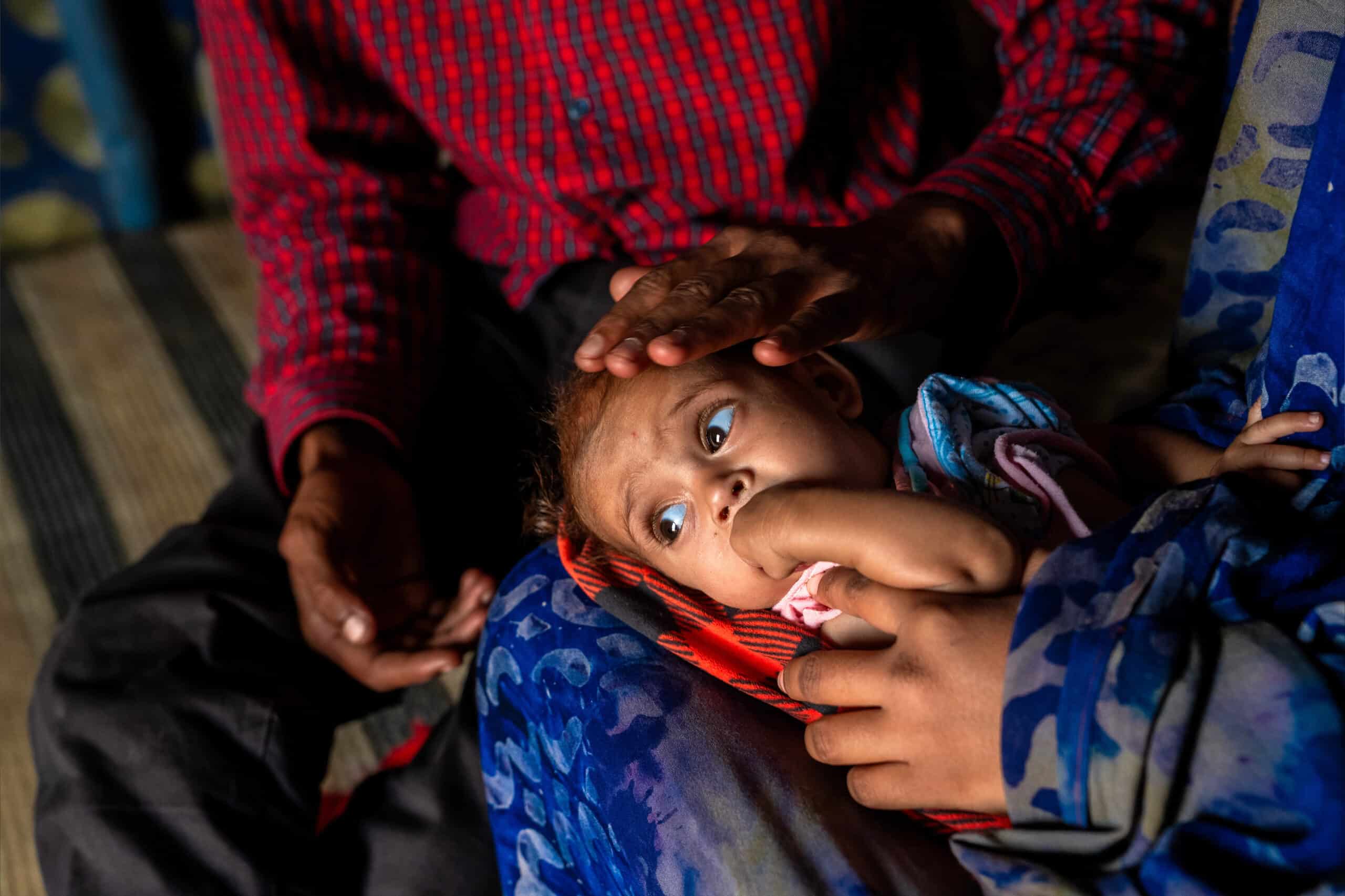
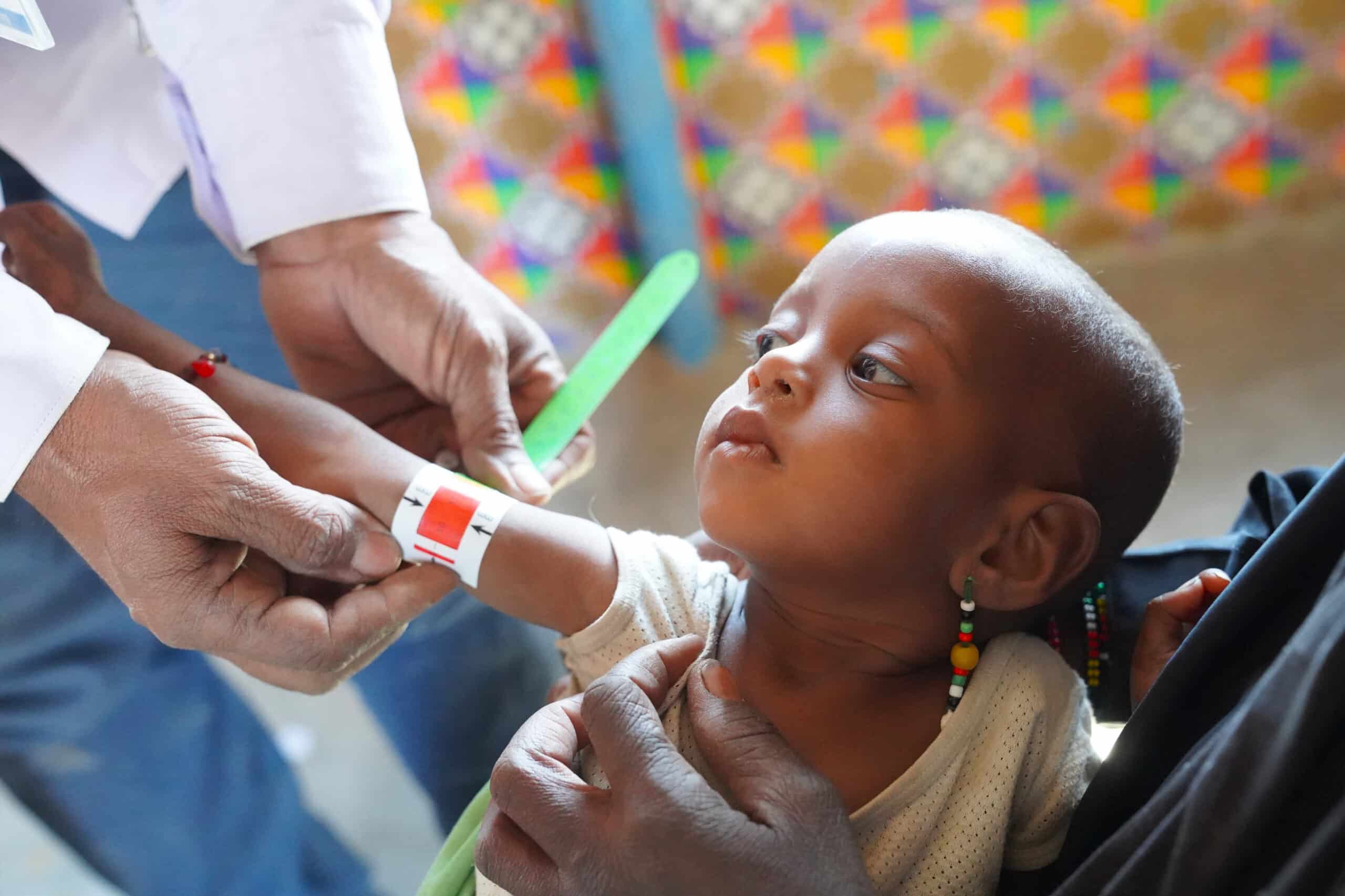
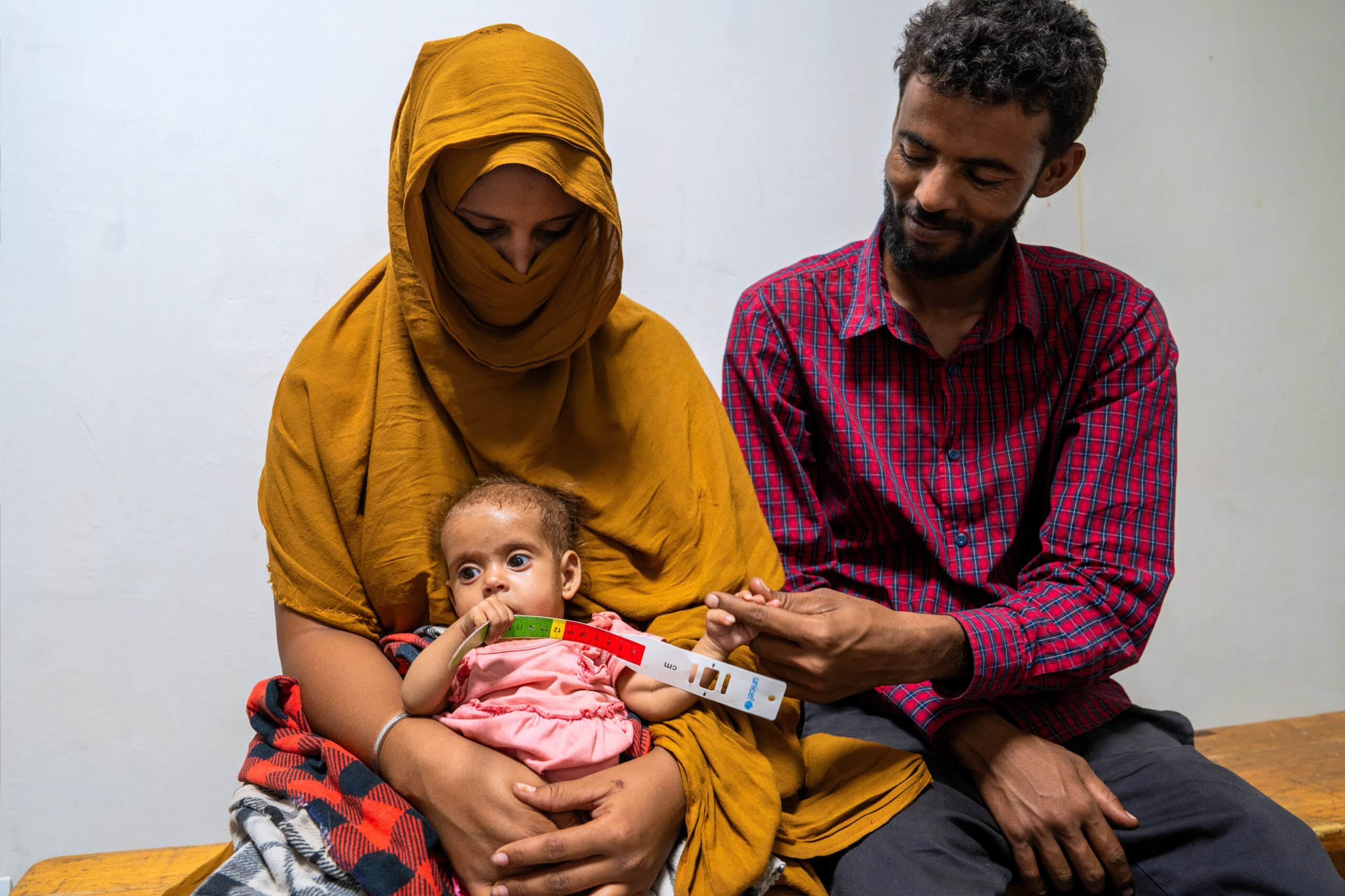
This photography project documents what makes headlines: the collapse of a local health system under extreme and compounding pressure, facing armed conflict, forced displacement, climate change and underfunding. The result is measurable and devastating. According to the 2025 SMART survey, the prevalence of Global Acute Malnutrition in Hodh El Chargui stands at 14.4%, well above the WHO’s 10% emergency threshold. Between August and December 2025, 7,498 refugees were registered by UNHCR, and arrivals continue to rise. During peak periods, health centers such as the one in Bassikounou admit patients far beyond their capacity, with direct consequences on mortality and morbidity.

The series is structured around five chapters:
- Escape traces stories of displacement marked by violence and extreme survival conditions.
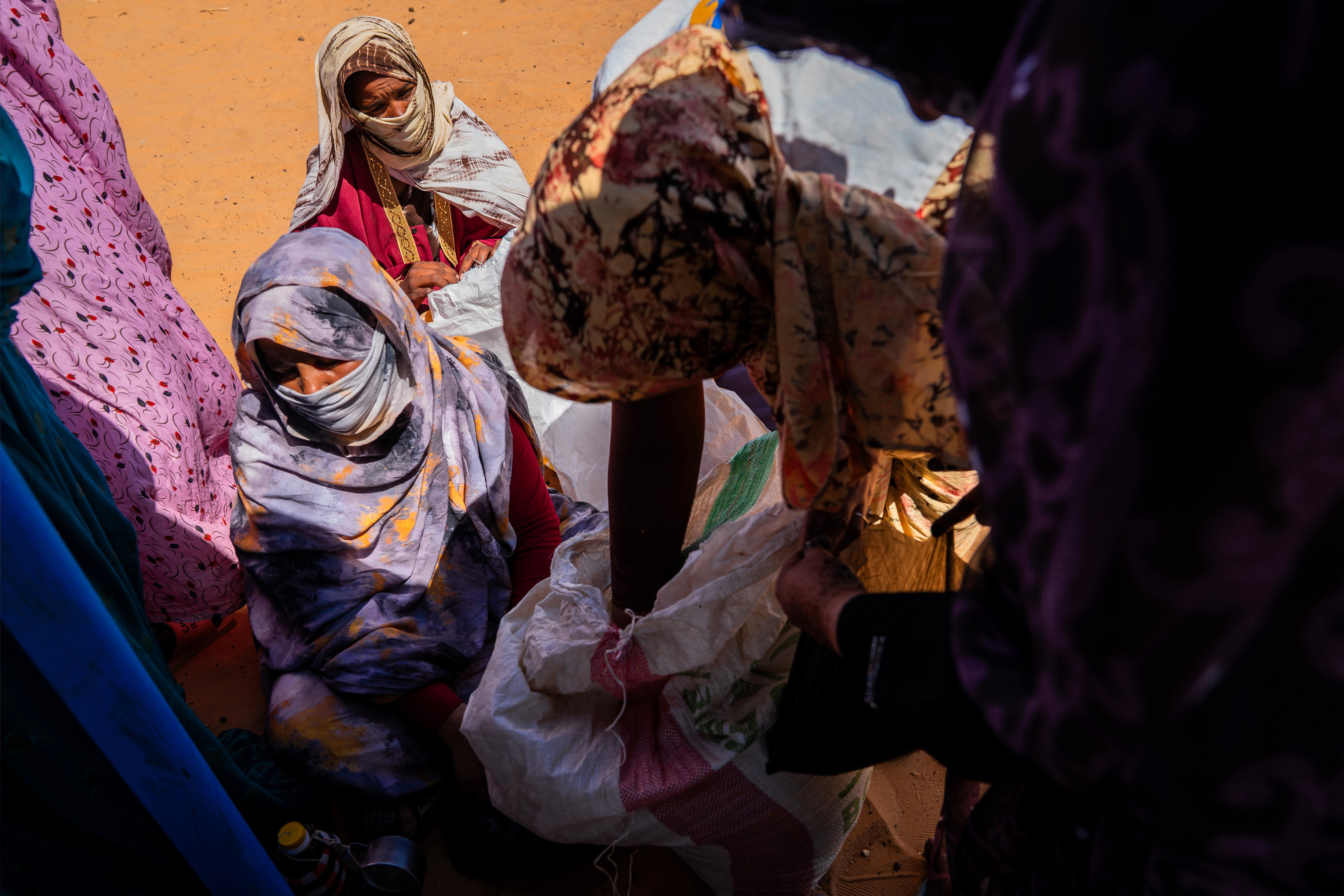
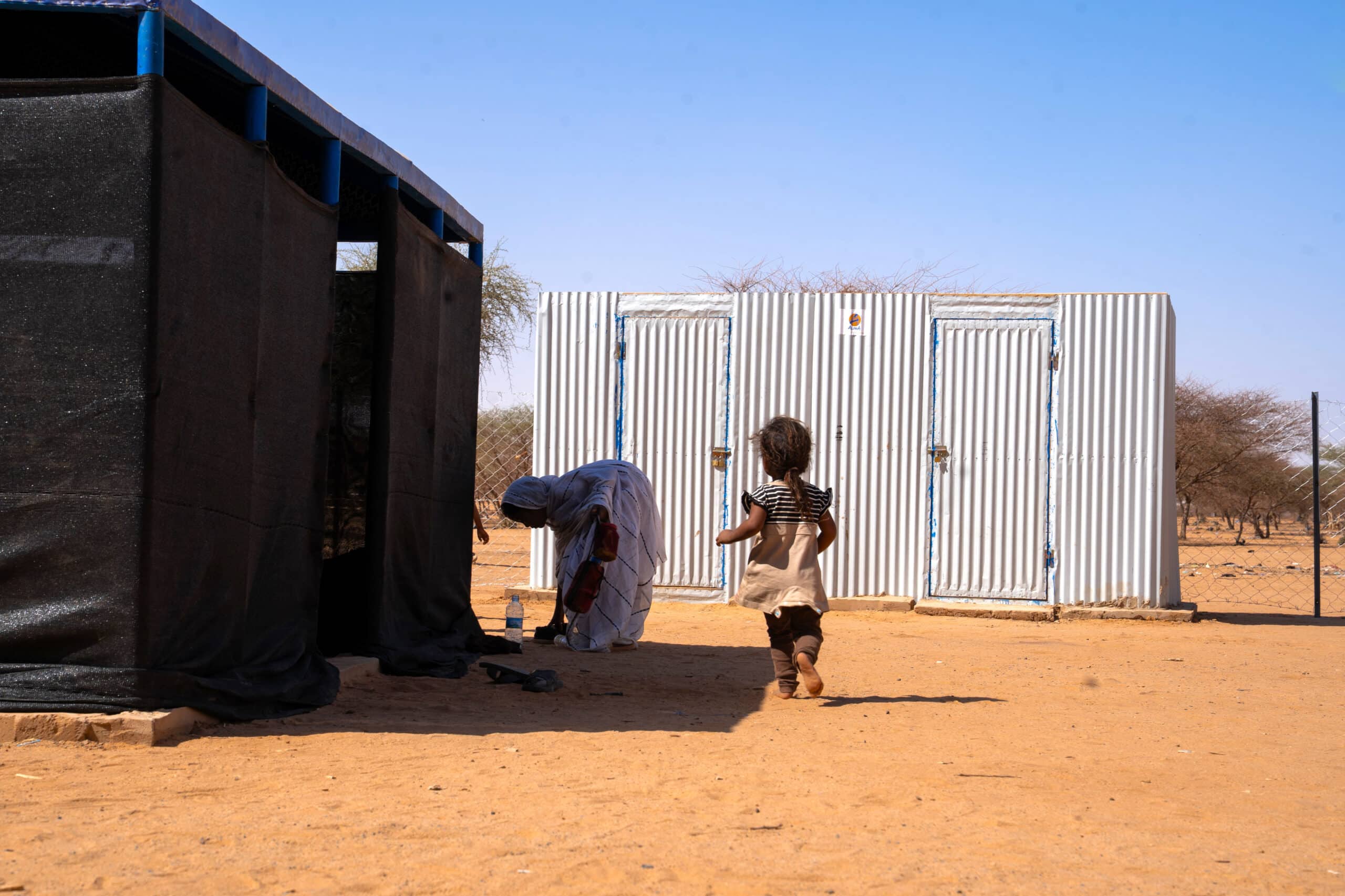
- Waiting portrays daily life in camps and surrounding villages.
- Illness reveals the visible impact on bodies.
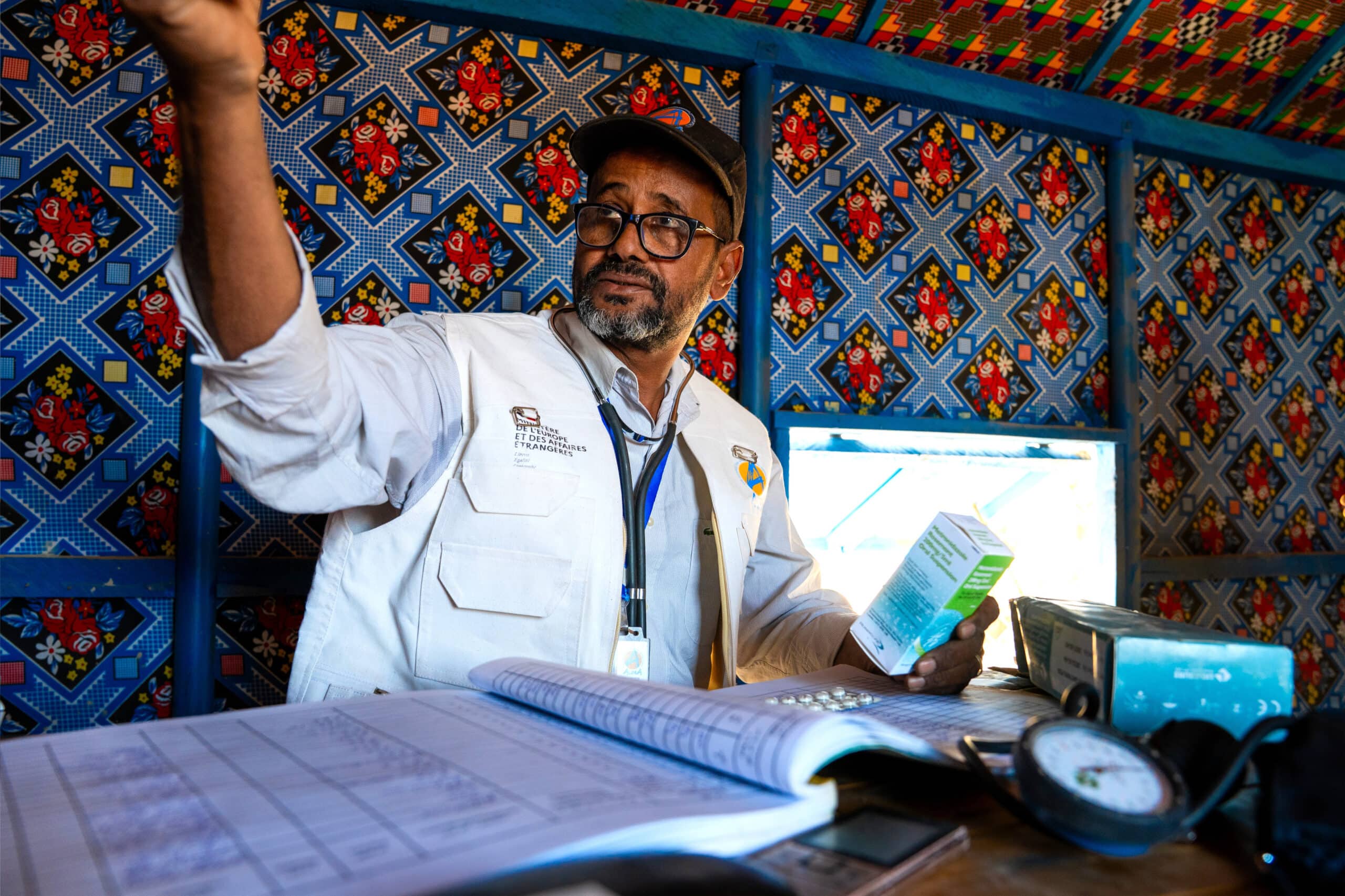
- A System Under Strain examines health facilities overwhelmed by needs they were never resourced to meet.
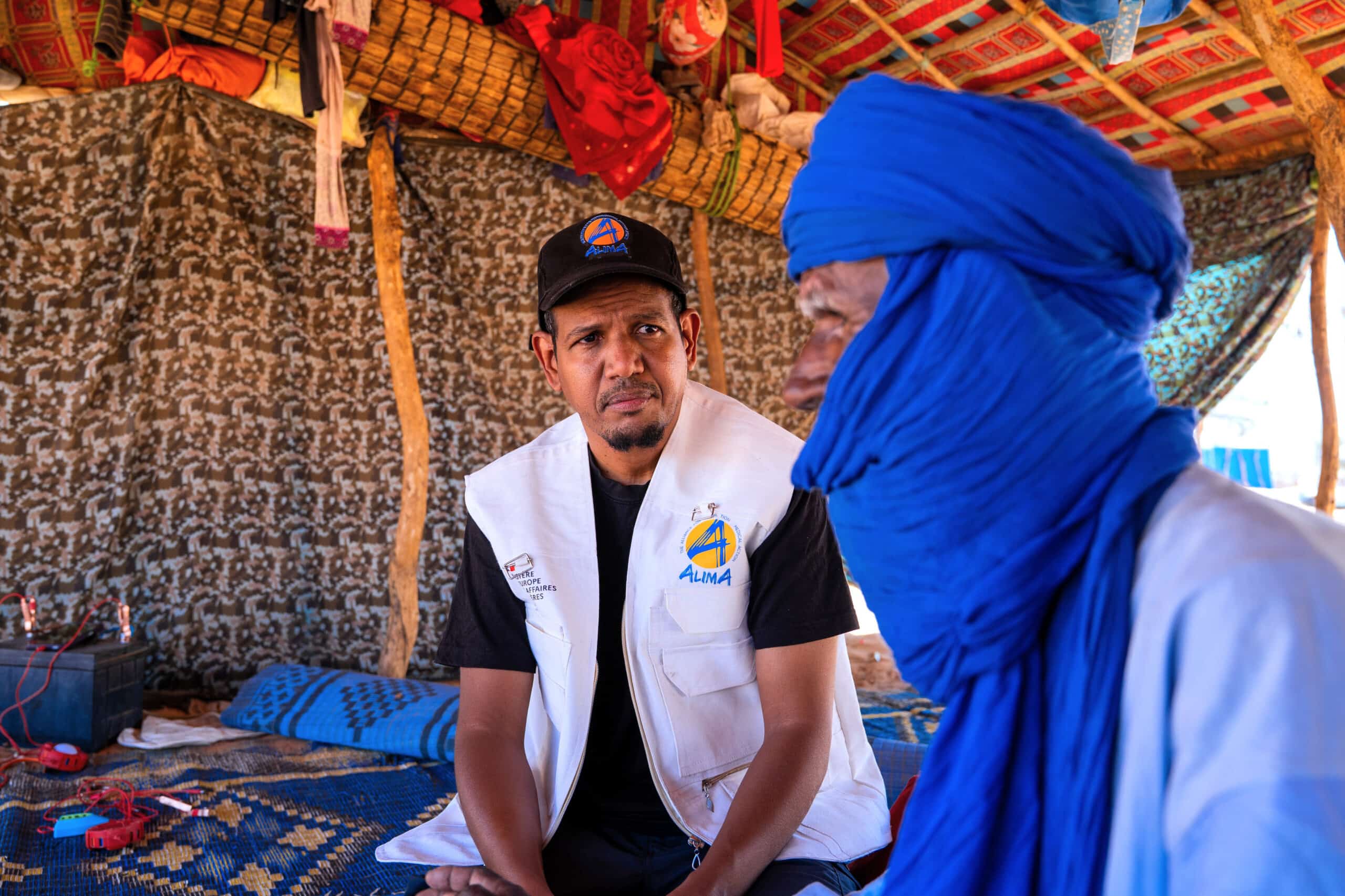
- Holding On captures the resilience of communities and caregivers, including refugees who have themselves become healthcare workers.
First-hand testimonies accompany the images, giving voice to those directly affected and grounding each photograph in lived experience.
Click any photo to open the gallery, then use the full-screen button in the top right corner.
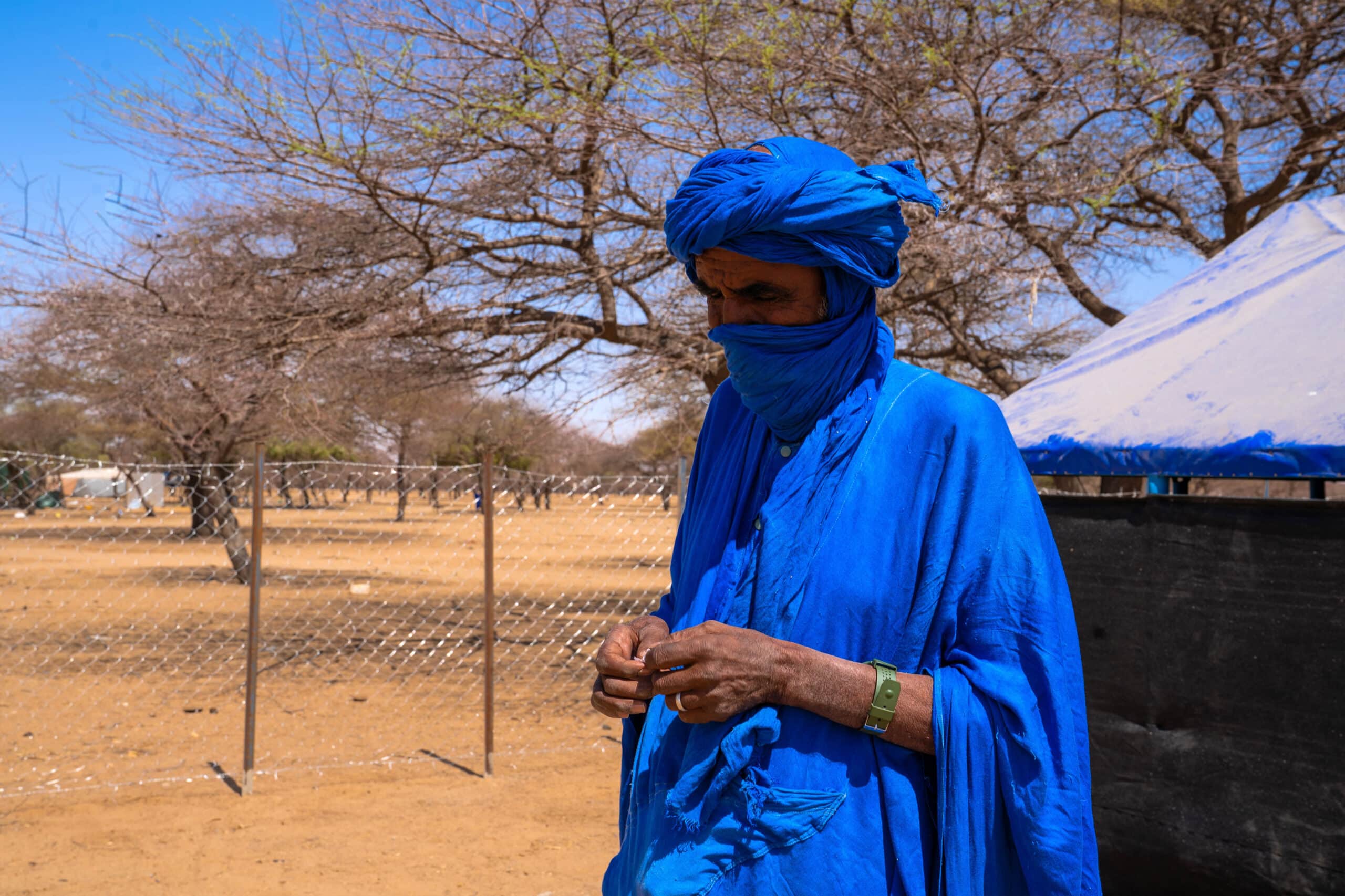
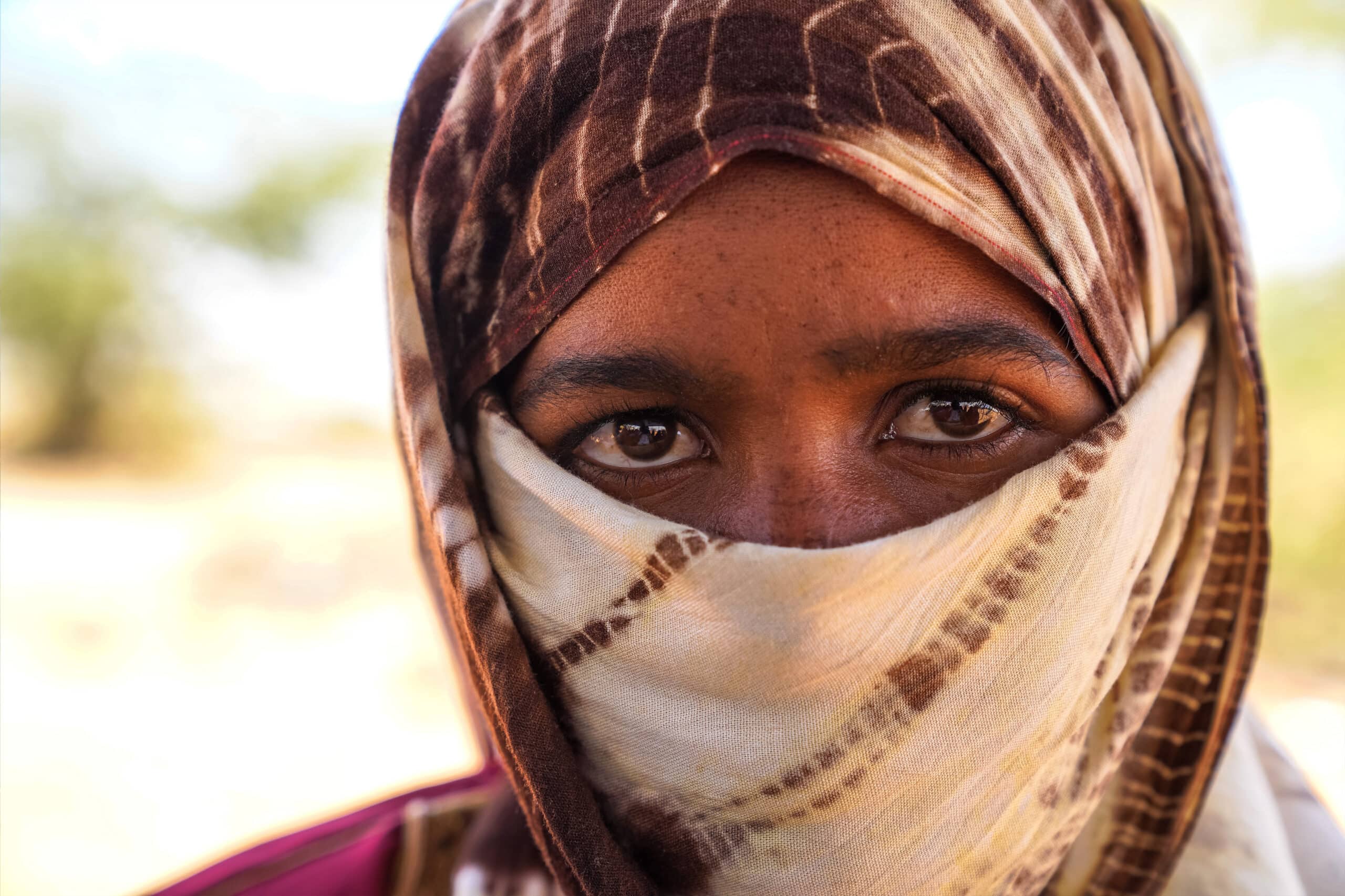
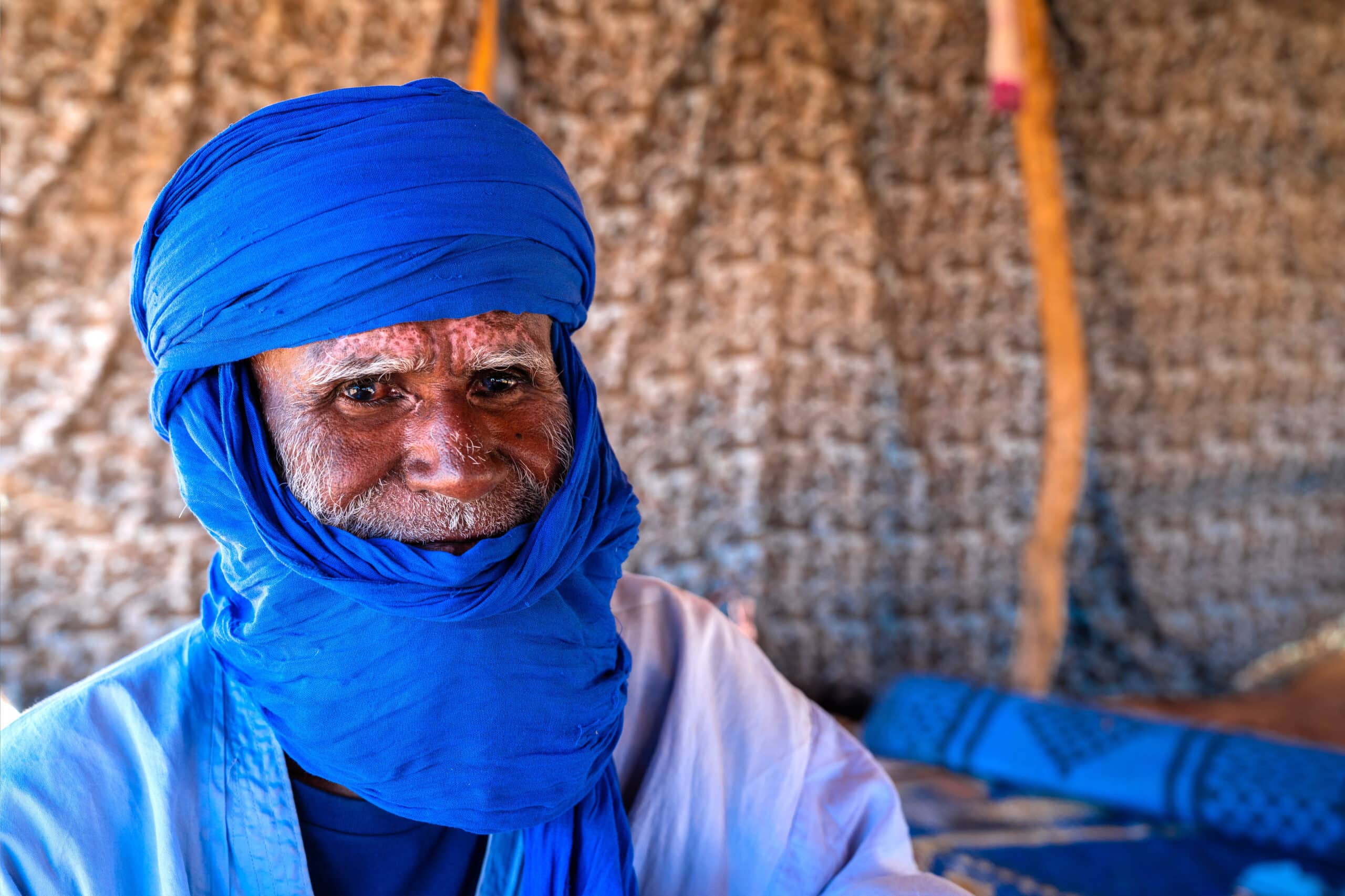
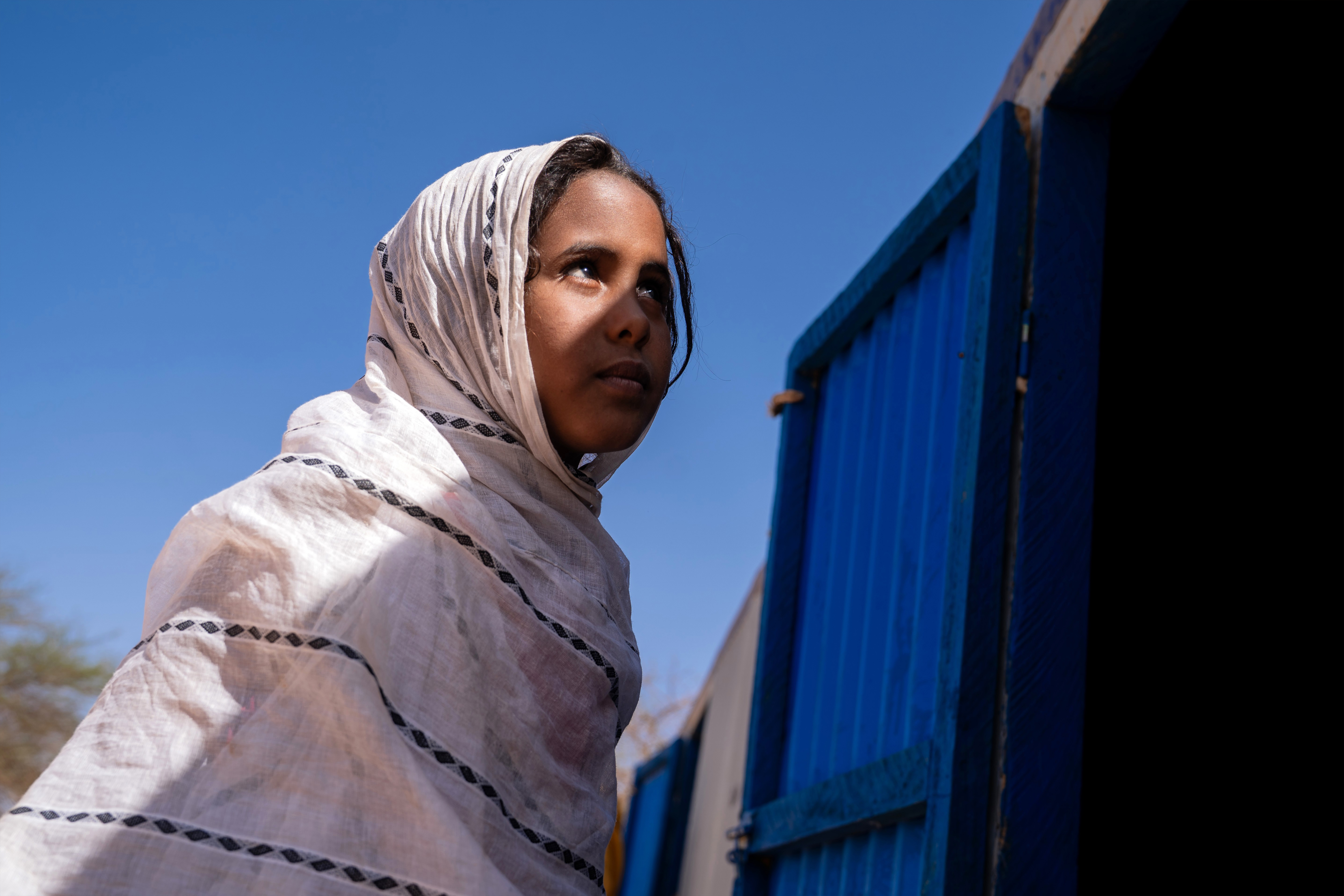
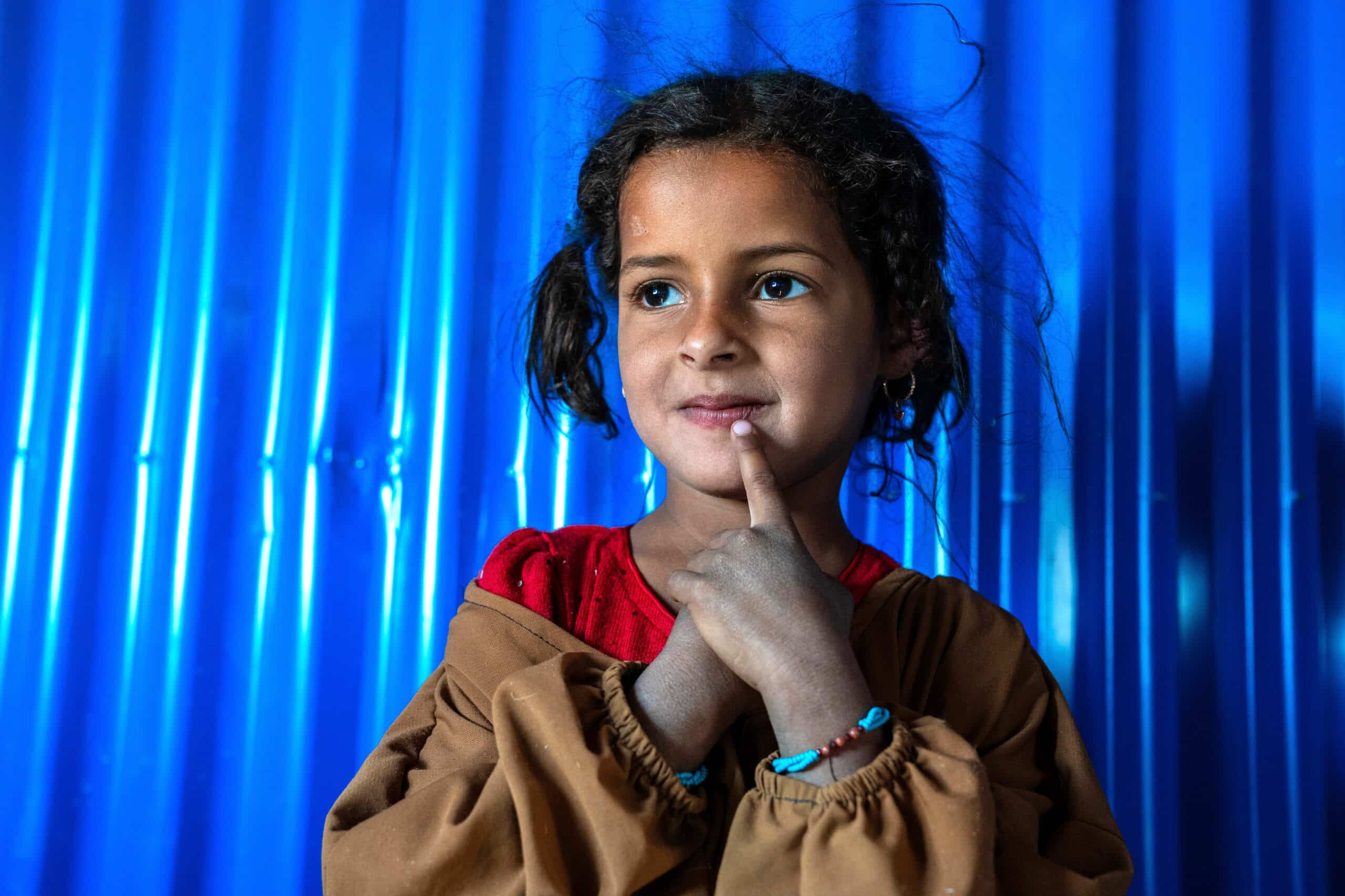
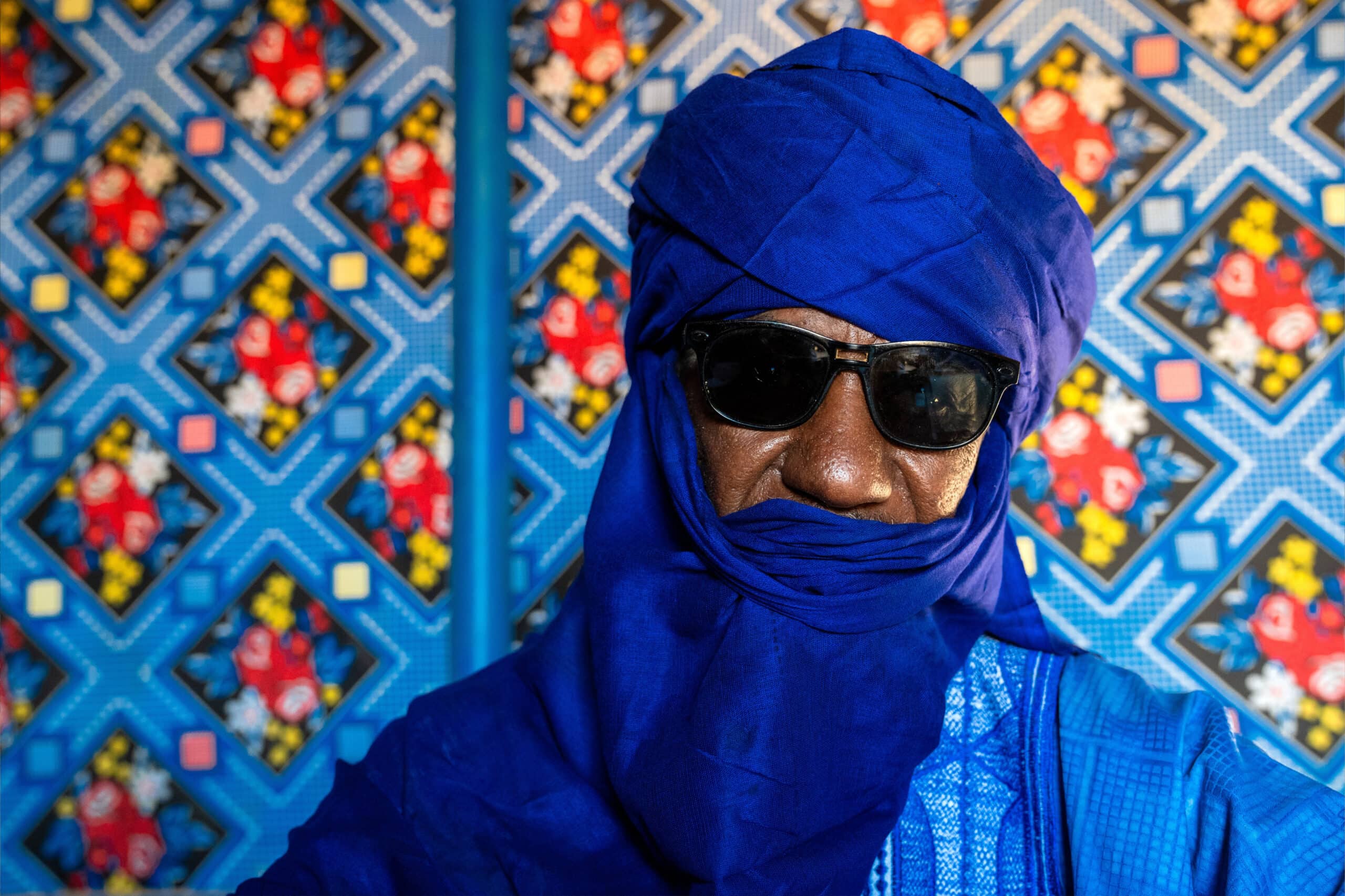
The visual language of this project is a deliberate ethical choice. Rather than adopting the desaturated aesthetics often associated with images of exile and suffering, the photographs preserve vivid, intense color, most notably a recurring blue that runs throughout the series. This approach refuses sensationalism and rejects the reduction of people to their circumstances. Every person was photographed with their full consent and with the aim of representing them with dignity: not as passive recipients of aid, but as individuals with agency, vitality, and resilience.
This work also addresses a structural reality that extends beyond individual stories. In protracted crisis contexts, local health systems become the last line of defense and sometimes the breaking point. The pressure placed on facilities in Hodh El Chargui reflects a global pattern of underfunded, under-acknowledged emergencies that persist for years.
By documenting this intersection of health, migration, and climate in one of the world’s most overlooked crises, this project seeks to contribute to broader discussions on global health policy and to make the case for sustainable and context-adapted funding.
Because it is not only populations that live in exile: the health system itself, strained by conflict, climate, and displacement, reflects the scale of the humanitarian crisis.
Projects carried out by ALIMA teams in the region have received financial support from the Crisis and Support Centre (CDCS).
February 2026. Hodh El Chargui Region, Mauritania. Photo documentary project “KHARSOUNA” — See Us. © Cora PORTAIS / ALIMA