

April 2023, conflict erupts
On 15 April 2023, the first shots were fired in Khartoum, Sudan’s capital, marking the start of what would become the world’s largest humanitarian crisis.
Fighting quickly spread across the country, forcing thousands of families to flee. Some crossed into Chad, South Sudan, Egypt, Ethiopia, or the Central African Republic. Others were displaced within Sudan to safer areas and camps. As months passed, the conflict entrenched, basic services collapsed, hospitals and schools were damaged, destroyed, or closed. By the end of the year, 9.1 million people were displaced within Sudan (UNHCR).
ALIMA was already providing care to displaced people, before the conflict, in South Kordofan. Our teams supported mothers and children, assisted survivors of sexual violence, and tackled outbreaks. Meanwhile in Khartoum, ALIMA rehabilitated an oxygen plant essential for the functioning of a trauma hospital and trained hospital staff in its operation.
April 2024, El Fasher unravels
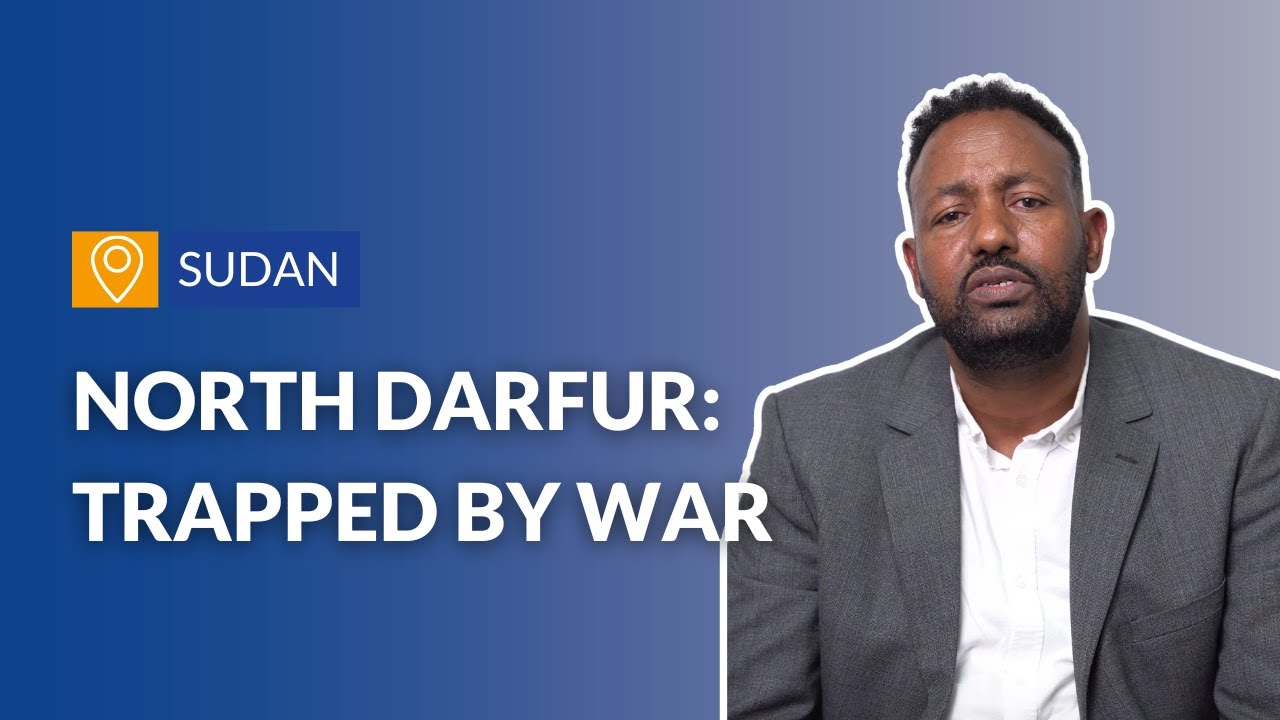
El Fasher, the administrative center of North Darfur, once a bustling hub of learning and commerce and already home to large communities of displaced people settled over the past decades in camps such as Zamzam and Abu Shouk. The city emerged as a major epicenter of the conflict. Afrah, a mother and Ibrahim, a doctor, are among them. Every day, access to water and food becomes a struggle.
At this period, ALIMA was supporting local health workers in the city’s only remaining functional hospital, responding to the emergency. Insecurity was constant in El Fasher, forcing teams to frequently relocate their healthcare services. Over the year, violence intensified in North Darfur, and El Fasher became unsafe for Afrah, Ibrahim, and their families.
December 2024, the announcement is delivered: Sudan becomes the world’s largest humanitarian crisis, with 30 million people in need of humanitarian assistance (OCHA – UN Office for the Coordination of Humanitarian Affairs). Behind this figure lie millions of daily struggles for survival.
April 2025, humanitarian needs explode
Afrah, with her three children, and Ibrahim, with his family, set out on the road on foot, fleeing El Fasher at different times in 2025. For two to three days, they walked without water or food until she reached Tawila, 70 km away, in search of safety. They are not alone. Thousands of families walked under a scorching sun. A massive wave of displaced people overwhelms the small town.
Tawila had neither the infrastructure nor the resources to absorb so many arrivals. Families settled as best they could, on the ground, in extremely harsh conditions. Health centres were quickly overwhelmed, struggling to cope with patients suffering from injuries and severe malnutrition.
Afrah managed to survive and carried her children to Tawila.

© Mamadou Lamine Diop / ALIMA
“We were forced to flee, and some of those traveling with us died along the way. Some of our family members were killed, some people died, and we lost loved ones. We were suffering from hunger — my son suffered terribly from hunger and thirst.”
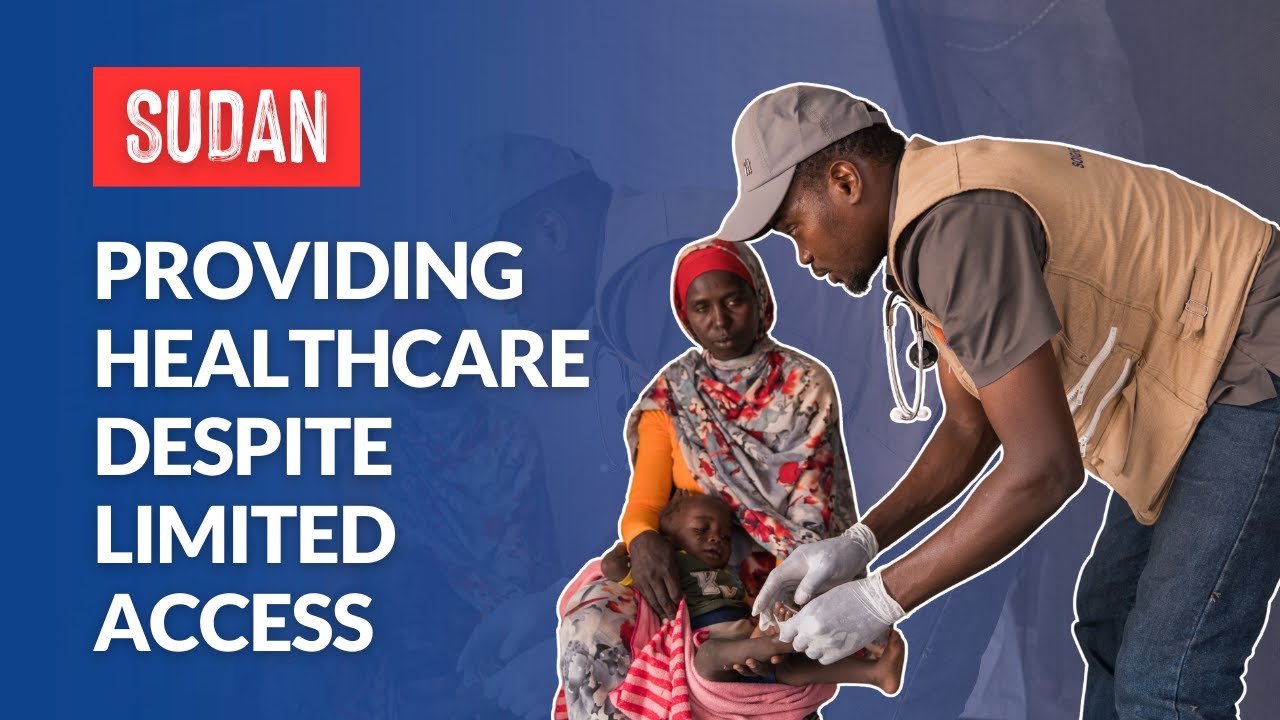
ALIMA was among the first medical NGOs on the ground in Tawila in February 2025, setting up emergency mobile clinics providing lifesaving health and nutrition services, while also training and supporting local health workers.

© Mamadou Lamine Diop / ALIMA
Ibrahim was recruited by ALIMA as a medical assistant.

“We arrived here with nothing, alone. Honestly, it’s a very painful feeling because of the sadness, displacement, and the humiliation we faced. And we were welcomed, and my qualifications were recognized.”
In September, famine was declared in several areas of the country, including El Fasher. In North Darfur, the year 2025 is also marked by attacks against civilians in El Fasher and surrounding camps, as well as a cholera outbreak. Tawila continues to swell, while humanitarian funding collapses.
April 2026, what is happening now?
Three years later, 15 million Sudanese remain without homes, either internally or abroad, seeking safety (UNHCR). In Tawila, 635,000 people are living in extremely difficult conditions. Families live in crowded shelters with limited space, scarce sanitation, and restricted food and water, making disease spread likely. On-site humanitarian teams are struggling to respond to the immense needs.
Like Ibrahim, Wisal, Heba and Abubakr are survivors who found the strength to rise again and act alongside ALIMA. More than 70% of our medical team in Tawila are themselves internally displaced, having been forced from their homes by the very conflict that continues to uproot so many. Now, they are doctors, midwives, and nurses treating their own communities while supporting local medical teams facing a continuous influx of patients.

© Mamadou Lamine Diop / ALIMA
In coordination with the Sudanese Ministry of Health, 27 ALIMA staff support 160 local health workers in North Darfur and have strengthened the humanitarian response with six emergency clinics in Tawila. Together with local doctors, the ALIMA team provides care in:
- Severe malnutrition in children under five
- Mental health
- Gender-based violence
- Maternal and child health
- General medical consultations
- Care for the injured
In Sudan, over the past three years, 237,163 people have received support from ALIMA, like Afrah and her family. But many others still have no access to care. There are far more people in need of medical care than the available resources can support. Sudan has remarkable expertise and resilience, but remains constrained by one critical gap: funding.
For a clearer picture of the urgent situation, here’s a report on ALIMA’s operations in North Darfur.
This emergency project in North Darfur is supported by the European Union and Sudan Humanitarian Fund (SHF).


